

MATERIAL RESEARCH...
is a major part of the project. We want to choose materials that are healthy and environmentally friendly on every level: with material sourcing, production, in its lifetime and during disposal of the material. The first step in that process is understanding the composition of materials that we use in buildings and homes. Unfortunately we don’t need to dive deep into those studies to discover the amount of toxins and un-environmentally friendly materials that are in our buildings. Much more than people realize. They travel to humans and animals through the atmosphere, ocean currents and food. These toxins are found more frequently in children than adults since they often lay on the floor, where the dust sits and the children breathe it in.
CHOOSING SUSTAINABLE MATERIALS...
can be complicated for a few reasons. Sometimes we don’t have the choice for better materials, they aren’t available in the area where the building takes place, they are too expensive, regulations don’t allow their use. What makes this even more complicated is that there are hundreds of materials on the market that we don’t know whether they are harmful. Scientists are working hard to figure it out but as soon as one material gets banned another new one comes to the market that the manufacturers promise is better than the older material. Manufacturers don’t always work with scientists and it can take up to two years for them to analyze materials. If they worked together it could take about two hours.
NATURE IS THE BEST DESIGNER...
In nature there is a perfect balance where everything has a certain purpose in a closed cycle. Designers are increasingly realizing the importance of studying nature and copying natural processes for various design solutions. A changed approach in design will probably completely change the way we build in the future.
For the last 10 years building sustainable homes has lowered in cost and today it doesn’t have to be more expensive to build sustainably. The supply of environmentally certified products has also increased significantly in recent years on the Icelandic market and it is often possible to request environmentally certified products down to the smallest details such as e.g. tile grout. We can all start somewhere and the first step is to ask for a sustainable product.
SEX FLOKKAR SEM ÆTTI AÐ VARAST...
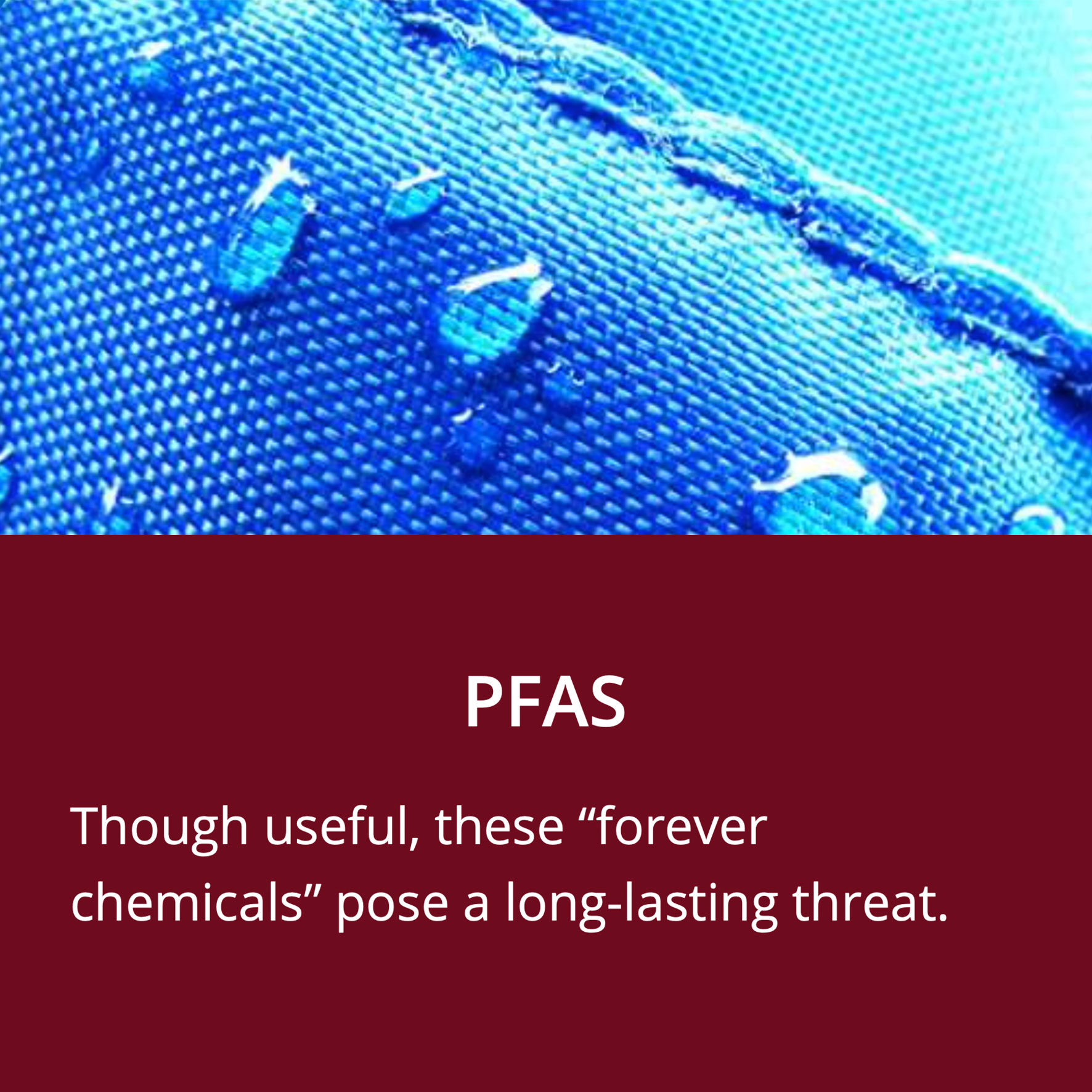
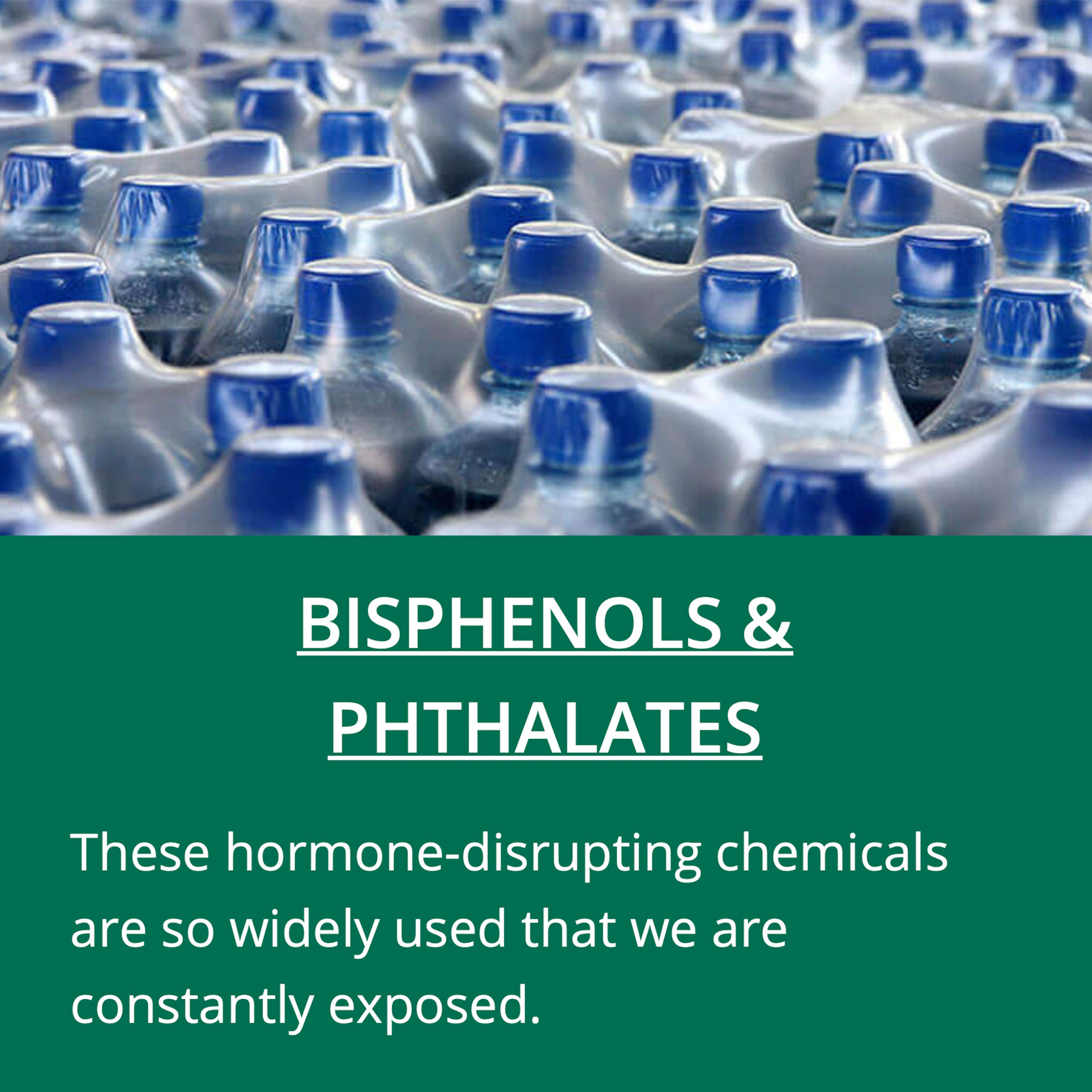



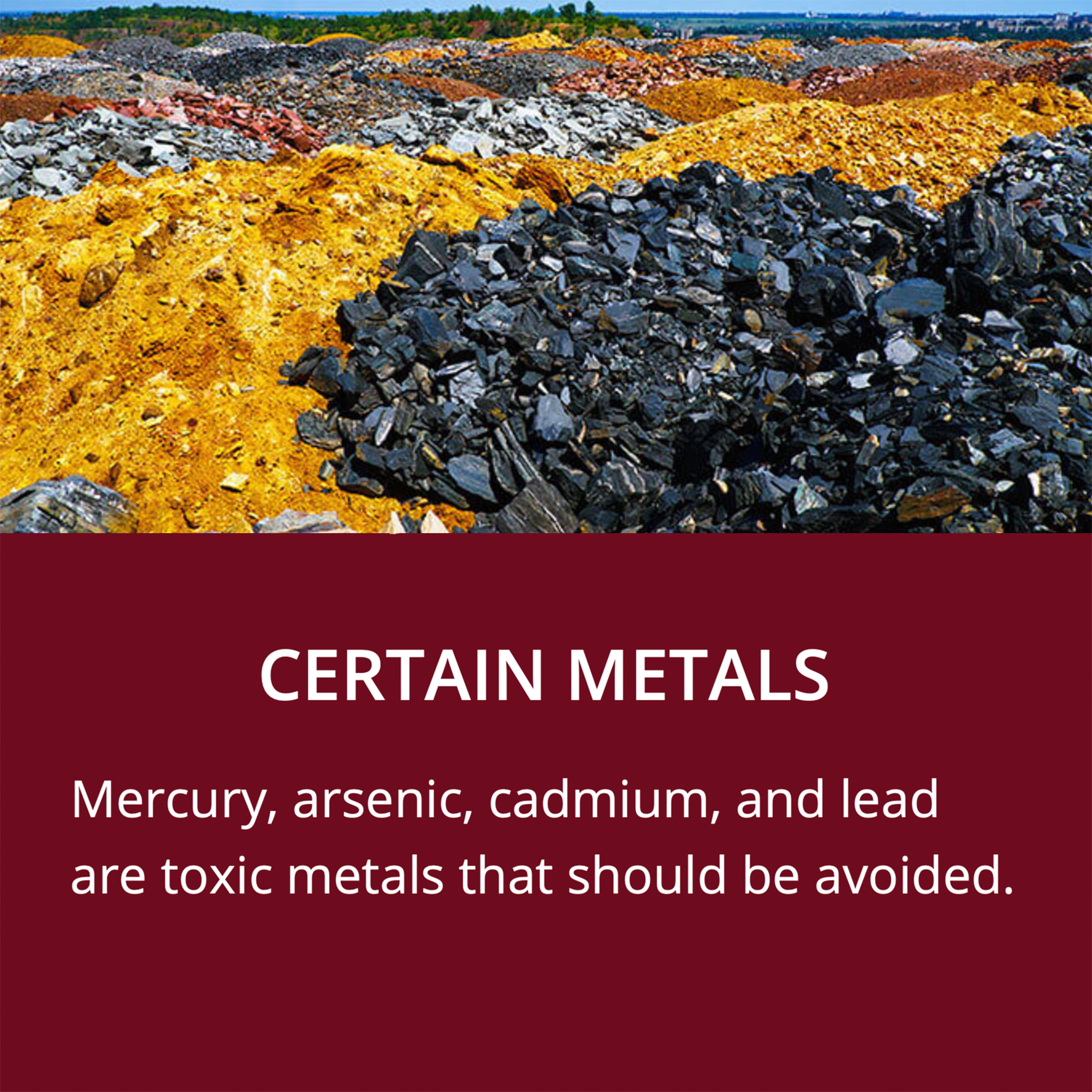
Myndefni tekið af vef Green Science Institute